We watched this video and have adjusted our diet to include these healing foods.  Many of these foods we all probably consume already, but there are a few I wasn’t aware of.  Take a look!

Purchase the most popular book on foods of the Bible that heal:  go to Products We Recommend


As we age, life brings a unique set of joys and challenges. While many seniors enjoy their golden years with fulfillment and peace, others may face significant emotional hurdles such as depression and grief. These feelings can be overwhelming and often misunderstood, making it crucial to shed light on their causes, symptoms, and ways to seek help.

What is Senior Depression?

Depression in seniors is a common but serious mood disorder that affects how individuals feel, think, and handle daily activities. It is not a normal part of aging, yet it is often overlooked or mistaken for typical age-related changes. Factors contributing to senior depression include chronic illness, medication side effects, social isolation, loss of independence, and major life transitions like retirement.

Signs and Symptoms

  • Persistent sadness or feelings of emptiness
  • Loss of interest in hobbies or activities once enjoyed
  • Changes in appetite or weight
  • Difficulty sleeping or oversleeping
  • Fatigue or loss of energy
  • Feelings of worthlessness or excessive guilt
  • Difficulty concentrating or making decisions
  • Thoughts of death or suicide

Recognizing these symptoms early can make a significant difference in treatment and recovery.

Grief in Later Life

Grief is a natural response to loss, and for seniors, it can be a frequent and profound experience. Losses may include the death of a spouse, friends, or family members, as well as changes in health, mobility, or living situations. Grief can manifest emotionally, physically, and socially, sometimes leading to depression if not adequately addressed.

The Grieving Process

Everyone’s grief journey is unique, but it often includes stages such as denial, anger, bargaining, depression, and acceptance. It’s important for seniors and their loved ones to understand that grief does not follow a strict timeline and seeking support is a sign of strength.

Coping Strategies and Support

  1. Stay Connected: Maintaining social relationships can reduce feelings of isolation. Family, friends, and community groups play a vital role.
  2. Seek Professional Help: Therapists, counselors, and support groups specialize in senior mental health and can provide tailored assistance.
  3. Engage in Activities: Pursuing hobbies, volunteering, or gentle physical activities like walking can improve mood and overall well-being.
  4. Practice Self-Care: Adequate sleep, nutrition, and mindfulness practices help manage stress and emotional health.
  5. Medication: In some cases, antidepressants or other medications may be necessary and should be discussed with a healthcare provider.

When to Reach Out

If you or a senior loved one exhibits signs of depression or prolonged grief, it is important to seek help promptly. Untreated depression can lead to serious health complications and diminish quality of life. Remember, support is available, and reaching out is a crucial step toward healing.


Understanding and addressing senior depression and grief can empower older adults to live with greater emotional resilience and joy. By recognizing the signs and fostering supportive environments, we can help seniors navigate these challenges with dignity and hope.

Belly Flush

It’s interesting that when we were young, talking about one’s bowel habits was taboo.  You certainly wouldn’t discuss it with your date or your spouse.  That just wasn’t sexy or attractive.  But, fast forward a few years or even decades, and now that’s all we talk about.  Did you poop today? Were you constipated or having diarrhea? Is the constipation inflaming your hemorrhoids, and the list goes on.  We even talk about it during meal times without discretion.  Why this fascination with our bowel habits and constipation as we age? There are multiple factors.  As we age, our body’s metabolism and body functions start to slow down.  This can cause a change in bowel habits, including constipation.  In addition, many medications and supplements we take can cause constipation.  Other things that affect our bowel habits as we age are reduced physical activity and inadequate fiber and fluid intake. We become more sedentary, which does not lead to healthy bowel habits.  So, while addressing these issues is essential to getting us back on track, sometimes constipation just can’t be avoided.  I personally deal with this, and have spent days bloated and in pain waiting for the miracle “Miralax” to work. While Miralax is highly recommended and extremely effective, sometimes waiting for days for relief was unthinkable.  I began searching and tried many products, prescription and over-the-counter, but nothing seemed to work.  My husband came across a product called “Belly Flush by Simple Promise,” while searching.  He ordered several bottles. What I love about this product is that it contains all-natural ingredients like Senna plant, Aloe, Triphala fruit, and Cascara Sagrada Bark.  No harsh synthetic ingredients or additives. I was skeptical at first, but I was so surprised by how fast and effective it is! For more  medical information, please watch this short video:

https://www.youtube.com/watch?v=NjQ9_hQDjVQ

It is always best to consult with your physician before trying any new medications or supplements.

Please click on this link to order your first bottle(s):  https://amzn.to/46zbUsF

Please order from this Amazon link, as that is how we get paid.

One drawback may be the cost, as most of us are on a fixed income.  If you have an Amazon Prime account, you do not pay shipping, which can add up extra costs.  However, Simple Promise runs specials often, so I would advise you to do your homework before purchasing.  Please feel free to reach out to me in the Comments Section or email me on the Contact Page.

HAPPY HEALTH TO YOU ALL !

Cristina

I am an adult victim of sexual child abuse. Like many of you, I too have suffered heinous acts and violence at the hand of my perpetrator. My perpetrator happened to be my father; the one I trusted the most to protect me from harm. I spent most of my life unable to forgive and to heal. At age 67, I am now on a journey of healing and forgiveness. It has been a long and arduous journey, one in which I had to learn some very painful lessons to move forward and to let go of my past.

Adults who were sexually abused as a child grow up to develop serious mental illnesses to include bipolar disorder, borderline disorder, anxiety and depression disorders, which can greatly impact their life and relationships.

Childhood sexual abuse can have a wide range of negative effects on survivors, including emotional, psychological, and physical consequences. Survivors may experience feelings of shame, guilt, anxiety, depression, and low self-esteem as a result of the abuse. They may also struggle with trust issues, intimacy problems, and difficulties forming healthy relationships. It is important for survivors to seek support and therapy to address these issues and begin the healing process.

Survivors may experience feelings of shame, guilt, anxiety, depression, and low self-esteem as a result of the abuse. They may also struggle with trust issues, intimacy problems, and difficulties forming healthy relationships. It is important for survivors to seek support and therapy to address these issues and begin the healing process.

Recognizing the signs and symptoms of childhood sexual abuse is crucial for adult survivors to understand the impact of their experiences. Common signs of childhood sexual abuse include nightmares, flashbacks, self-harm, substance abuse, and difficulties with intimacy. Survivors may also experience physical symptoms such as chronic pain, gastrointestinal issues, and headaches. By recognizing these signs and symptoms, survivors can begin to connect their current struggles with their past experiences of abuse.

In conclusion, understanding the definition of childhood sexual abuse is an important step for adult survivors to reclaim their power and begin the healing process. By recognizing that the abuse was not their fault, survivors can let go of feelings of shame and self-blame. Seeking support and therapy to address the negative effects of the abuse is crucial for survivors to move forward in their healing journey. By recognizing the signs and symptoms of childhood sexual abuse, survivors can begin to make sense of their experiences and work towards healing and empowering.

You can reach out to the following organizations for help and support:

https://www.samhsa.gov/find-help/helplines/national-helpline

https://www.nimh.nih.gov

https://www.nami.org/advocacy/policy-priorities/responding-to-crises/national-hotline-for-mental-health-crises-and-suicide-prevention/

Someone out there cares and will offer you the care and support you need.  I did, and not only did I seek mental health support, I became a mental health registered nurse and have been supporting this population for over 30 years!

Just Be Present

Sometimes when I feel down and depressed, I may need your support.

I may not necessarily need your verbal input or your suggestions; however wise they may be.

Sometimes I just need to sit quietly and know that you are there.

That you are with me and near in case I fall.

I may feel that without you I won’t be able to stop spiraling down the rabbit hole.

You may want to offer comfort by holding me and talking softly.

But sometimes I just need for you to be present.

To be there next to me without words or gestures.

Perhaps just a gentle touch of your hand to know I am not alone.

Just sit next to me and quietly be present.

That is the most comforting and healing thing you can do for me.

Comedy and tragedy theater masks illustration.

Introduction

Black-white, happy-sad, yin-yang, love-hate, up-down, right-wrong, rapid cycling. These are the daily struggles of living with severe bipolar disorder.  I should know. I have lived with bipolar my entire life. Following a devastating divorce and the destruction of my family at age 40, I attempted near-fatal suicide by overdose. I was in the ICU for 4 days and then transferred to an inpatient psychiatric hospital. I was in total denial refusing to accept that I had this dreaded illness. That was the beginning of a string of suicide attempts. This was my first attempt followed by ten hospitalizations in the next few years. I was never stabilized on the right medications, nor did I receive therapy. I had given up hope accepting that this was my fate and I had no control over it. At this stage, I was in a bipolar-depressed phase. I slept all day to escape the darkness surrounding me, and during the night, I would watch television and crochet blankets. Either way, it was an attempt to escape my world. The purpose of this book is to educate and support the many thousands who suffer inexorably from this disorder. I send out my prayers to you all that you will find comfort and peace along your journey of recovery as I now have.

Here we are.  Another Christmas. It comes around every year regardless of one’s circumstance.  For most it is a happy, joyful time filled with excitement of things to come and celebrating years’ past.  It is a time for shopping and baking and sharing gifts with those we love.  But not for all.  For some, the Christmas season is just a time filed with busy angry shoppers, commercials promoting toys children don’t need and parents can’t afford to buy, and credit card debt rising out of control just to fulfil one’s expected obligations.

For some, it is a time of reflection of a lifetime of regret.  A time when families are estranged and no friends are to be found.  It can be a very lonely time for many.  For me, it has always been such a letdown.  So much buildup and preparation. . . gone in 24 hours. And we are no better off than the year before.

There have been many studies that prove that the holiday season exacerbates mental illness resulting in crowed hospital rooms and psychiatric facilities.  Depression and suicide are on the rise. I think that the commercialization of Christmas and the focus taken off of Christ’s birthday has led to the not so jolly season.  It can make the less fortunate realize that they have been excluded from this time of joy and celebration.

What is the answer?  I don’t know.  Perhaps getting back to the roots of what Christmas is all about and reaching out to the lonely and less fortunate would be a good start.  Let’s make it a time of giving from the heart, not giving from our checkbooks.

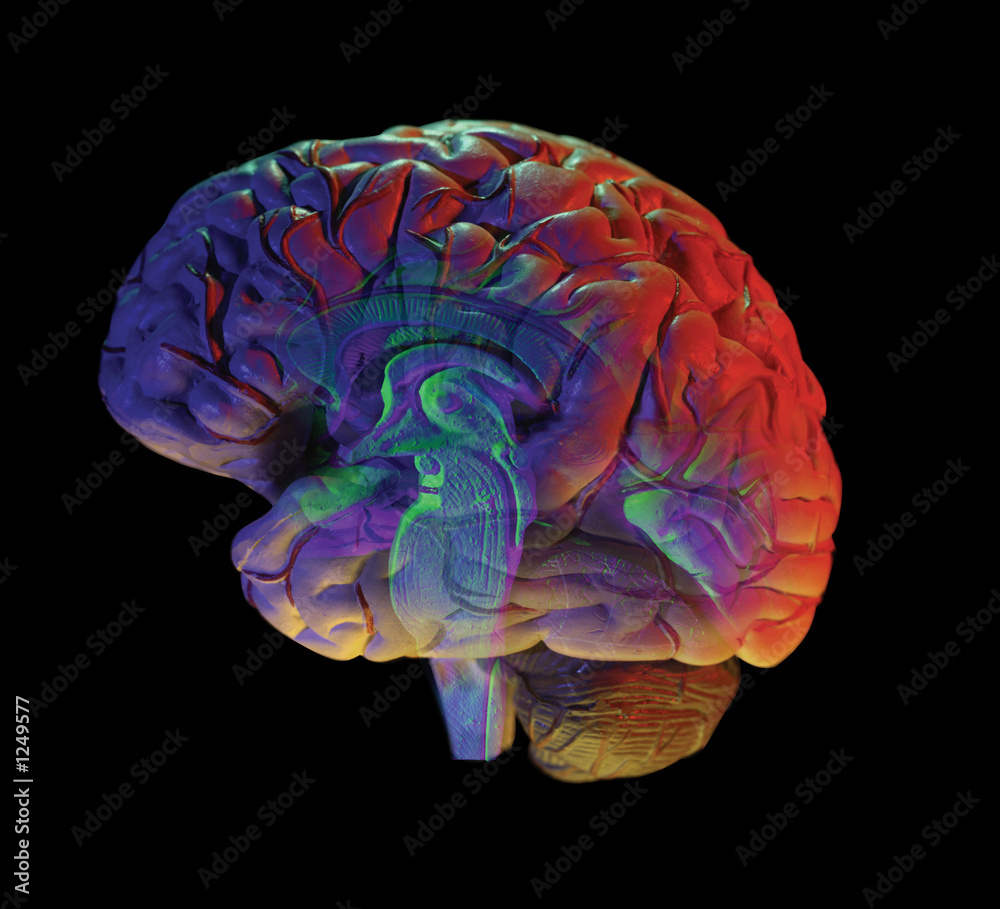
A colorful image of the human brain.


Causes of Bipolar Depression

Bipolar disorder runs in families, with genetics believed to play a significant role. A person with this inherited vulnerability may develop bipolar disorder in response to environmental triggers such as a traumatic experience or drug abuse. Serotonin, dopamine, and norepinephrine are three neurotransmitters—or chemical messengers in the brain—that help regulate our moods. It is believed that imbalances in these biochemicals are responsible for the mood swings of bipolar disorder. Brain imaging scans reveal significant differences between the metabolism of a normal brain and a bipolar brain. During normal mood, brain activity and blood flow across the two sides of the brain are basically equal. Hormonal imbalances have been found in many people with bipolar disorder. In particular, high levels of the stress hormone cortisol and abnormal levels of thyroid hormone are believed to contribute to manic and depressive mood episodes.

Severe stress or emotional trauma can trigger either a depressive episode or a manic episode in an individual predisposed to bipolar disorder. Stress can also prolong a bipolar mood episode. Major life events such as getting married, going away to college, or starting a new job can trigger a mood episode. Certain medications, most notably antidepressant drugs, can trigger a manic episode. If antidepressants are prescribed during the depressive phase of bipolar disorder, they must be taken with a mood stabilizer in order to avoid this complication. Sleep deprivation—even as little as skipping a few hours of sleep—can trigger an episode of mania. Episodes of mania and depression often follow a seasonal pattern. Manic episodes are more common during the summer, and depressive episodes are more common during the fall, winter, and spring. Disturbances in circadian rhythms have been implicated in bipolar disorder. Some researchers believe that the biological clock that regulates our sleep-wake cycle is abnormally fast in people with bipolar disorder.

Symptoms of Bipolar Disorder

Bipolar, also known as manic depression, is characterized by cycling mood changes, with episodes of depression alternating with episodes of mania.

Typically,Guest Posting the switch from one mood extreme to the other is gradual, with each manic or depressive episode lasting for at least several weeks. When depressed, a person with bipolar disorder exhibits the usual symptoms of major depression. People with bipolar disorder are at risk of death – either by dangerous behavior in the manic state or by suicide in the depressive state. About 5.7 million American adults, or about 2.6 percent of the population age 18 and older in any given year,1 have bipolar disorder. Bipolar disorder typically develops in late adolescence or early adulthood. However, some people have their first symptoms during childhood, and some develop them late in life. Bipolar disorder sends you on an emotional rollercoaster, and the results can be devastating. Bipolar Disease has affected many well-known musicians, writers, and artists the illness and the effects the disease has on the lives of its sufferers have been trivialized. The reason is that there are so many creatively talented people who live with Bipolar Disease.

The extreme mood states of the disease disrupt normal activities, causing problems at home, work, and school. In the manic phase, you may be hyperactive and irresponsible. Bipolar disorder involves periods of elevated mood or mania, alternating with periods of depression. A person with bipolar disorder typically cycles between these two extremes, often with periods of normal mood in between. The pattern of symptoms differs from person to person. Some people are more prone to either mania or depression, while others experience equal numbers of manic and depressive episodes. The frequency and duration of mood episodes also vary widely. Bipolar disorder causes dramatic mood swings—from overly “high” and/or irritable to sad and hopeless, and then back again, often with periods of normal mood in between. Severe changes in energy and behavior go along with these changes in mood. Psychiatrists list four types of bipolar disorder. The four types differ largely on three factors. One factor is whether mania (the highs) or depression (the lows) is more common in the patient. The second factor is how serious each condition is. The third factor is how fast the patient alternates between stages.

Treatment of Bipolar Depression

People with bipolar disorder typically receive medication and psychotherapy. Mood stabilizers can help control mood swings, prevent recurrences of mood swings, and reduce the risk of suicide. They are usually taken for a long time, commonly for many years. Examples include lithium and certain anticonvulsant drugs such as lithium and Valproate.  These chemicals are among the oldest and most frequently prescribed of all drugs for the treatment of bipolar disorder. Carbamazepine is an anticonvulsant drug used to prevent convulsions (spasms). It is often prescribed to patients for whom lithium treatment is ineffective. Valproate is primarily for the treatment of patients with rapid cycling bipolar disorder.  Patients often do not respond to treatment with these medications.  One group of drugs used to treat depression is called selective serotonin re-uptake inhibitors (SSRIs). These drugs increase the amount of serotonin in the brain. Serotonin is a major neurotransmitter which is a hormone that appears to affect mood, emotions, appetite, and digestion. As the precursor for melatonin, it helps regulate sleep-wake cycles and the body clock. Some side effects of SSRIs include anxiety, diarrhea, drowsiness, headache, sweating, nausea, poor sexual functioning, and insomnia (see insomnia entry).

In extreme cases, Bipolar disorder is sometimes treated with electroconvulsive shock therapy or ECT. ECT is a procedure in which intense electrical shocks are administered through electrodes attached to the patient’s head. The patient is first given anesthesia and a muscle relaxant.


A person with their hands over his face


A person with their hands over his face

Bah Humbug?  It’s that time of year when friends and loved ones unite to celebrate family. It is usually a joyous season filled with laughter, plentiful food and drink, and a renewed sense of faith and hope.  However, for some of us who suffer from a major depressive disorder (MDD), the Holidays can create additional stress, anxiety and worsen our existing depression.  We may feel like isolating and not participating in festivities.  We may look around at all the happy faces and wonder, “why am I not happy?†According to the World Health Organization (WHO), “Depression is a common illness worldwide, with an estimated 3.8% (264 million) of the population affected, including 5.0% among adults and 5.7% among adults older than 60 years.† MDD is defined as depression that lasts more than two weeks.


During a depressive episode, the person may experience feelings of profound sadness, irritability, increased anxiety or agitation, poor concentration, feelings of excessive guilt or low self-worth, disrupted sleep, changes in appetite or weight, and feelings of hopelessness, to name a few.  Chronic untreated depression can often lead to suicidal thoughts and actions.  Yet, with all the advanced medical technology available today, there are few effective treatments that cure or put depression into remission.  The most common medical treatment over the years has been antidepressant medications (along with psychotherapy) and there are hundreds, if not thousands, to choose from.  For some, antidepressants can play an invaluable role in helping relieve symptoms; but for those who suffer from treatment resistant depression (TRD), standard medications bring little to no relief.  According to Johnson and Johnson, up to one-third of adults with MDD do not respond to treatments.


But there is hope at the end of this dark tunnel:  Psychedelics. You heard right! Hold on ladies and gents from the 60’s and 70’s—this isn’t a joke. Due to the massive failure of Big Pharma to deliver, psychedelics have undergone a medical renaissance as researchers look to an ancient remedy for help.  Studies at some of the most prestigious institutions in the world are conducting research into the world of psychedelics:  John

Hopkins University, Yale School of Medicine, University of California/San Diego, London’s Imperial College of Science Technology and Medicine, and New York’s Mt. Sinai School of Medicine, for example.  Recent research has proven psychedelics to be stunningly effective against intractable mental illnesses such as Major Depressive Disorder (MDD), Post-Traumatic Stress Syndrome (PTSD), bipolar disorder, and alcohol and drug dependence.  Ketamine is showing promise in the treatment of MDD and PTSD; Ecstasy (MDMA); and LSD has proven to be quite effective at treating MDD and alcohol and drug dependence.  However, by far the most promising among the psychedelics is psilocybin—the active ingredient in “magic mushrooms.â€Â  Studies show that this powerful compound, combined with psychotherapy, brings fast and long-lasting relief from MDD and PTSD.  Not only are psychedelics effective in the treatment and remission of MDD ad PTSD symptoms, but recent studies also suggest that psychedelics can heal and repair the brain, many times in just a single dose. This is great news to those of us who suffer from one of these debilitating illnesses.


Suffice it to say, this could still be years away from production and approval from the FDA.  So, what do I do in the meantime?  There are many helpful strategies that can bring temporary relief from depression, such as psychotherapy, meditation, yoga, biofeedback, listening to music, exercise, and even pet therapy.  I will be doing a series on depression where I will expand on helpful therapeutic interventions.  In the meantime, if you or a loved one is suffering from depression, please seek professional help right away. Here are a few resources:


  1. Substance Abuse and Mental Health Services Administration (SAMSHA):(800) 662-HELP (4357)
  2. National Alliance on Mental Illness (NAMI):  (800) 950-NAMI (6264)
  3. National Suicide Prevention Hotline: (800) 273-8255

A group of people sitting at tables with paint and pencils.


With longer daylight hours and warmer weather, it’s a great time to shake off those winter blues. Many people have been stuck indoors because of COVID-19 and the cold, which can increase feelings of depression and loneliness. We’re taking a closer look at some ways to boost your mood while enjoying the change in seasons.

Simply spend time outdoors. Just getting out and breathing in the fresh air and soaking in some natural sunlight can do wonders for your mood. Go for a walk around your neighborhood or sit out on your porch with a good book. Watch as the trees bud, flowers bloom, birds build nests, and more critters emerge.

Plant flowers. Spruce up your yard by turning over old soil, pulling weeds, and planting some of your favorite flowers. Choose bright, colorful blooms that make you smile and make your space look more alive. You can even mix and match plants of different types and heights.

Start a garden. A garden can give you something to look forward to every day. You can slowly watch the seeds turn into plants and then enjoy your favorite vegetables as they grow and ripen. You can grow everything from tomatoes, squash, and cucumbers to peas, carrots, and peppers. Choose veggies you love to eat, or even some new ones that you’ve been wanting to try. Don’t have a lot of space for an outdoor garden? Consider container gardening instead!

Make a birdfeeder. You don’t need to spend money on anything fancy when you can make a birdfeeder at home. You can use a plastic water bottle or milk jug, a paper plate, a tin can, some scraps of wood, or other materials that can hold birdseed or berries. Use some string to tie it in a tree, or secure it to a railing or windowsill. Count how many different types of birds come to enjoy a snack!

Have a picnic. Pack up a blanket, some water, and your favorite foods and go on a picnic. You can spread out in a park or nature reserve and take in your surroundings with a family member or friend. It’s also a great way to socialize while social distancing because each person can have their own space.

Go to an outdoor event. As the weather gets nicer, more organizations are shifting events outside again. You can listen to music, take in a show, watch a movie, participate in a fitness class, or do other activities. Ask around to see what is happening in your area.

Move exercise outside. If you’re tired of staring at the walls of your house as you exercise, take it outside instead. You can do yoga, stretches, cardio, aerobics, biking, swimming, hiking, running, and countless other types of exercise while enjoying the fresh air, sunshine, and change of scenery.