
A group of people gathered around each other looking at something.


Throughout our lives, our mental health has a close relationship to our physical health. But in our senior years, that relationship can become more pronounced. Putting aside the quality of life concerns for the moment, depression can be quite dangerous. Especially when combined with comorbid conditions – which can both cause depression, make depression worse, and even predict worse medical outcomes.

The CDC estimates depression affects as much as 5% of the elderly population or as high as 13.5% of those who require home care. Unfortunately, nailing down a precise figure is difficult, since depression is both underdiagnosed and frequently untreated. But the good news is that there are treatment options for depression in elderly folks, and there are several opportunities for loved ones to help.

Depression in Seniors

The elderly and depression aren’t strangers. Stressors can be more common later in our later years. Reduced mobility, fragility, chronic disease, pain, bereavement, elder abuse, socioeconomic decline – age can bring more than a few challenges.

Precisely how large is the problem? The CDC estimates depression affects as much as 5% of the elderly population or 13.5% of those who require home care. But nailing down a precise figure is difficult because depression is both underdiagnosed and frequently untreated.

Part of the issue is that it’s easy to overlook symptoms as they occur alongside comorbid conditions. They can also be easy to mistake for the side effects of medications. There’s even some overlap between the symptoms of dementia and depression, which can confuse things further. But unlike with dementia, mental decline in depression occurs quicker, motor skills remain slow but normal, and depressed people notice their memory problems.

Signs of Depression in Elderly Populations

Everyone is sad once in a while, but when does it become depression? Mental health professionals generally say at least two weeks during which time a person experiences a depressed mood. The most common signs of depression in elderly populations include:

  • Poor sleep
  • Difficulty focusing
  • Loss of interests
  • Social withdrawal
  • A general feeling of sadness
  • Persistent anxiety over wellbeing
  • Unintended weight change

Depression in Elderly Adult Treatment Options

While there’s no silver bullet that can wipe away depression in an afternoon, there are many excellent options. Cognitive-behavioral therapy has proven effective at helping seniors rid themselves of thinking matters which contribute to depression. Support groups are shown to help those who are experiencing similar issues.

As the causes of depression are widely varied, so must be the solutions. In some cases, those solutions might be as simple as basic life changes. In other words, diet and exercise. It can also help to schedule outings and weekly social visits, provide assistance with transportation needs or meal preparation, or otherwise find small ways to provide support for aging loved ones.

Elderly Mental Health Management

Depression in seniors can cause considerable impairment to their ability to function. Older adults can be reluctant to speak about their depressed feelings. For those living in isolation, it can be even more challenging to ask for help. That can be a dangerous combination. But like our physical health, our mental health can be improved with the right approach to treatment. With seniors, that often means developing strategies that provide them with more agency, security, and social support.

A woman holding a banana in front of some fruit.


There is no clearly defined age that says you have become a senior citizen. Most people consider themselves seniors when they retire from the workplace, sign up for social security and begin to experience the common milestones and challenges that are associated with aging.

If you are reading this, you’re most likely in that time of life or caring for a loved one who is a senior citizen.

We all hope to be happy, healthy, and as independent as possible as the years creep upon us. Have you heard the expression “You are what you eat?â€Â Consuming a well-balanced, healthy diet is one of the best ways to maintain good health as we age.

So, what can we do to keep our digestive system healthy and working as it should?

If you said to eat more fiber, you are correct.

High fiber foods for seniors are not the most popular choices when planning menus but high fiber foods will improve your digestion, and eliminate the sluggish feeling caused by a slow metabolism.

Eating more fiber can help alleviate other health problems such as chronic constipation, high blood sugar, and elevated cholesterol levels.

High-fiber foods can help you achieve and maintain a healthy weight, which in turn will give you more energy and stamina. Fiber-rich foods make you feel fuller faster, and they keep you satisfied longer than that sugar-glazed donuts or chocolate candy bars.

A diet high in fiber can reduce your risk of cancer and cut your risk of developing Type 2 diabetes.

What are some high-fiber foods for elderly menu planners?

If you are adding fiber to your diet, remember to do it slowly. Adding fiber-rich foods too quickly can cause gas, bloating, or stomach discomfort until your body gets used to the change.

Start with whole fruits and vegetables. They can be cooked in a soup, chopped up in a fruit salad, or enjoyed in their natural form right off the tree or plant.

Eat whole grains such as whole-wheat bread, corn, and oats. A hot bowl of oatmeal with blueberries is a great way to start the morning. Brown rice is healthier and tastes better than white rice, so give it a try in your next casserole or homemade soup.

Here are some more high-fiber foods you can incorporate into your daily food plan.

  • Beans
  • Berries
  • Avocados
  • Popcorn
  • Lentils
  • Dried fruit
  • Nuts
  • Potatoes (Baked in skin)
  • Bran and whole-grain cereals
  • Baby carrots with hummus
  • Whole-grain crackers

What are the fiber requirements for seniors?

Dietary guidelines recommend 28 grams of fiber each day for senior men and 22.4 grams of fiber a day for senior women, but the Department of Agriculture states that most people in this age group consume 16 grams or less.

The takeaway here is filling your plate with fiber! Slowly add delicious fruits, veggies, whole-grain breads, and snacks to your diet. Cut back on sugar and processed foods. Grab an orange instead of orange juice. Choose broccoli as a side dish instead of French Fries.

You won’t believe the difference in the way you feel and how much your energy level will increase.

A group of people sitting at a table with papers.


Clostridioides difficile, (often referred to as C. difficile or C. diff), is a bacterium that results in infection of your colon. This illness typically comes after the use of antibiotic medications and can result in diarrhea, life-threatening colon damage, fever, nausea, and a range of other symptoms. C. diff mostly comes from hospitals and other healthcare settings but they’re luckily less common due to improved prevention matters. However, it’s still useful to arm yourself with as much information as possible to ensure your safety. In this post, we will review what you need to know about C. diff infection and the elderly.

Antibiotics and Other Causes of C. diff in the Elderly

Antibiotics may be known for killing bad germs but they can also kill good germs that would protect your body from infections. C. diff bacteria most commonly comes from the use of antibiotics for more than a week. The antibiotics that most often lead to C. diff include:

  • Cephalosporins

  • Clindamycin

  • Fluoroquinolones

  • Penicillins

You may feel the effects of antibiotics for several months and if you come in contact with C. diff germs during this time, you can become very sick. There are several ways you can come in contact with these germs. These causes of C. diff in the elderly include:

  • Human or animal feces

  • Food, including meat

  • Contaminated room surfaces or objects

  • Soil

  • Water

  • Unwashed hands

Risk Factors for C. diff in the Elderly

In addition to antibiotics, there are other factors that can put you at risk for C. diff. The risk factors of C. diff infection in the elderly include:

  • Being age 65 or older

  • Being assigned female at birth

  • Staying in a healthcare facility

  • Having a weakened immune system

  • Having a serious illness (i.e. inflammatory bowel disease, chronic kidney disease) or medical procedure (gastrointestinal procedure, other abdominal surgeries)

  • Having a previous infection with C. diff

Symptoms of C. diff in the Elderly

You can experience various complications for C. diff, including death if not treated promptly. C. diff symptoms in elderly include:

  • Watery diarrhea or frequent bowel movements

  • Abdominal cramping

  • Dehydration

  • Occasional blood or pus in the stool

  • Loss of appetite/weight loss

  • Nausea

  • Fever

  • Rapid heart rate

  • Kidney failure

  • Toxic megacolon

  • Bowel perforation

Treatment of C. diff in the Elderly

You can treat C. diff through antibiotics. These include:

  • Metronidazole

  • Vancomycin

  • Fidaxomicin

While many people recover from C. diff within two weeks of antibiotic treatment, many become reinfected and need additional therapy. Most infections reoccur within three weeks after stopping antibiotic treatment but some may occur two or three months later. That is why it’s important to get treatment immediately. Below are a few options for C. diff recovery in the elderly:

  • Avoiding unnecessary use of antibiotics or requesting a prescription for an antibiotic that can be taken for a shorter period of time

  • Washing your hands with soap and warm water after using the bathroom or coming in contact with possibly contaminated surfaces

  • Carefully disinfecting surfaces with chlorine bleach

  • Drinking plenty of fluids, including beverages with electrolytes, to prevent dehydration

  • Eating starchy foods (i.e. bread, potatoes, noodles, rice, oatmeal, crackers) to settle your stomach and stop loose stools

  • In extreme cases, consult a doctor about having a fecal transplant


A woman sitting on top of a bench wearing headphones.


Podcasts. You have probably heard your children or grandchildren talking about them, or maybe heard something on the news like, “true crime podcasts are all the rage these days.†But what is a podcast? The simplest explanation is: radio but on the internet.

If you remember the old radio shows from the 1940s (or if you’ve heard about them) then you already know about one type of podcast – audio dramas. Audio dramas are complete stories with actors and sound effects – everything you would get in a TV show without the TV. But there are many, many other types of podcasts on almost any topic imaginable – health, science, sports, politics, news, history, true crime, talk shows – the list is endless. Podcasts are generally released in episodes and can be streamed on almost any internet-connected device.

Do Seniors Listen to Podcasts?

Recent studies indicate around 26% of participants over the age of 55 listen to podcasts, but that number is steadily increasing as podcasts have grown in popularity and accessibility. Seniors who aren’t listening to podcasts probably either a) don’t know much about them and how they work or b) don’t know there are podcasts out there they would enjoy. Luckily, this article is here to help!

How to Listen to Podcasts

Most people listen to podcasts on their phone using either the Apple Podcasts app (on iPhones) or Google Podcasts (on Android devices). You can listen on a desktop or laptop computer using iTunes or Spotify. You can also use an Alexa device to listen to podcasts. Most podcasts are free to enjoy.

Podcasts for Seniors

As previously mentioned, there are podcasts on almost every topic imaginable. For example, I googled “podcasts about knitting†and found more than twenty (my personal favorite based solely on the title being “Two Ewes Fiber Adventuresâ€). Some podcasts that pop up on every “top podcast for seniors†list include:

  • Consider This from NPR

  • History Unplugged

  • The Perfect Scam

  • In Our Time

  • The Relic Radio Show

There are many health podcasts created specifically for seniors, such as:

  • Aging in Full Bloom

  • Girl Talk: Women, Aging and Sexuality

  • Better Health While Again

  • Not Old, Better

  • Living to 100 Club

  • Fearless Aging

  • Live Long and Master Aging

Love sports? There are hundreds of podcasts about sports. You can “shop around†and find commentators you like. There are tons of choices for news podcasts as well, and your favorite newscaster probably already has a podcast.

You can find audiobooks on podcasts. If you have trouble sleeping, you can find podcasts specifically to help you sleep, like Sleepy. In Sleepy, a narrator reads a familiar tale like Rapunzel in basically the most boring way possible so you can listen and drift off to sleep without feeling like you will miss an important part of the story.

Working on brain health? Use a podcast to help you learn a new language and keep your memory sharp.

It is not an exaggeration to say there is a podcast for everything. A little searching can definitely lead you to one you will love listening to every day.

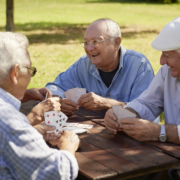
Three older men playing cards at a picnic table.


Rehab for Elderly Patients After Hospital Stay: What To Know

After a stay in the hospital, it’s understandable to have many questions about a parent’s prognosis. In many cases, the answer to those questions will depend on the kind of rehabilitation services involved with recovery. Since there are many kinds of elderly rehabilitation, navigating through the process can be confusing. But learning a few more things about rehab for seniors can help orient you in the process.

Reasons for Elderly Rehab After Hospital Stay

With old age, our immune system weakens, our bodies heal slower, and inactivity can become more dangerous. Accidents, injuries, and surgeries are generally more hazardous. And the prolonged recovery times associated with these kinds of medical events can also mean that seniors are at greater risk of losing some of their functionality during the recovery process.

That’s where elderly rehabilitation comes into play. Doctors might recommend elderly rehab after a hospital stay for an extensive range of health problems. That might include treatment for things like fractures, stroke, heart attack, joint injuries, cancer, pneumonia, osteoporosis, brain injuries, and so on. Offered as both inpatient and outpatient services, senior rehab programs are essentially designed to ensure a person can recover and retain as much of their functionality as possible.

Elderly Rehabilitation Care Options

Since every senior has a different range of rehabilitation needs, goals for treatment can vary just as widely. Rehab for seniors can also span many different timeframes depending on the issues at hand. For instance, a short-term rehab for the elderly program might emphasize learning to use mobility aids, while a long-term program might involve regaining lost functionality.

With that said, the form of treatment used in senior rehab programs is usually a combination of physical therapy, occupational therapy, or speech therapy. Between those three types of therapy, seniors can find assistance with communication issues, memory problems, fine motor skill enhancement, mobility assistance, pain management, and so on.

Rehab for Seniors – Inpatient vs Outpatient

Inpatient rehabilitation is common for seniors who are recovering from major surgery or a serious medical incident, and the environment tends to feel similar to living in a hospital. In addition to therapy programs, inpatient services might include meals designed by dietitians, counseling, fitness courses, and even managed social events.

Understandably, after already having spent time in a hospital environment, spending more time in a similar environment is not always a popular decision. Rehab for the elderly after a hospital stay in an in-home environment is also commonly done through outpatient services. Professionals can be used to help monitor health, care for wounds, provide physical therapy, or assist with a variety of other routine tasks.

Rehabilitation Services for the Elderly

Rehab for elderly folks can take many forms depending on the kinds of challenges that need to be overcome. Some kinds of senior rehab challenges are well suited for a home environment, while others may not be. As always, it’s best to consult with your physician to make these kinds of decisions. Though medical outcomes are hard to predict, arranging for the most appropriate elderly rehabilitation care is an excellent predictor for seniors retaining as much of their independence as possible.